
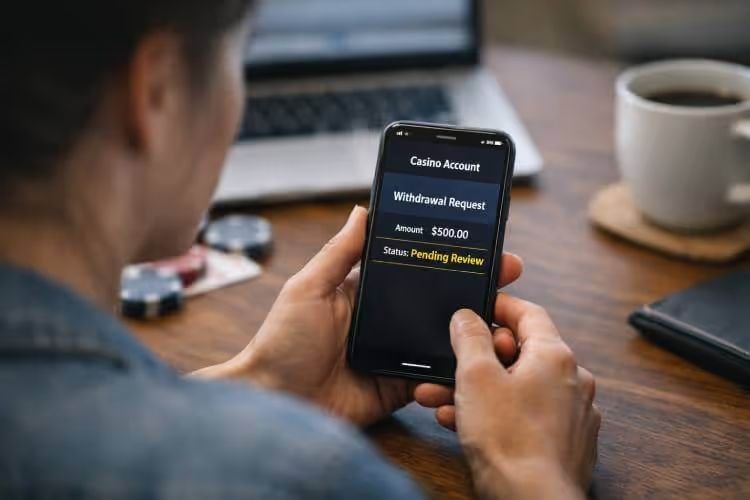
Why mobile apps matter to British gamers today
The shift is measurable: in 2023, 68?% of UK players reported using a smartphone as their primary gaming device, up from 52?% just five years earlier. That jump isn’t a fad; it reshapes where, when, and how people play.
Instant access reshapes play patterns
Download times have collapsed from days to minutes. The average app on the Play Store now installs in under 30?seconds on a 4G connection, meaning a commuter can start a match the moment they board a train. This immediacy has turned “quick?session” games into a cultural staple—players squeeze a 10?minute battle into a coffee break, and the market now boasts over 3?000 titles specifically marketed as “5?minute wins”.
Cross?platform ecosystems blur the line between console and phone
Developers such as Epic and Ubisoft ship identical saves to Xbox, PC, and iOS. A player can finish a raid on a PlayStation, then pick up the same story on a phone during a commute, with no loss of progress. The data shows that 42?% of UK gamers who own a console also use a companion app at least three times a week, proving the ecosystem isn’t an optional extra—it’s now expected.
Social integration fuels community growth
In?app voice chat, Discord bridges, and integrated leaderboards have replaced the old “gather?round?the?TV” model. A recent survey found that 57?% of mobile?only players join a guild within the first week of installation, compared with 31?% of traditional console users. The ease of forming a squad on a phone means friendships can blossom across cities, and regional tournaments now feature teams formed entirely through app?based matchmaking.
Monetisation models adapt to bite?size consumption
Micro?transactions have become more granular. Instead of a single £20 skin, developers sell “energy packs” for as little as £0.99, letting players extend a session without waiting for a timer. The UK’s digital goods revenue grew 14?% in 2022, driven largely by these low?cost, high?frequency purchases. However, the model can be a double?edged sword: younger players may accumulate dozens of small purchases before parents notice, a concern flagged by consumer watchdogs.
From casual taps to competitive e?sports
Mobile e?sports leagues now draw crowds of 15?000 spectators for a single match on platforms like Twitch. The “Mobile Legends World Championship” held in London last year sold out in under an hour, proving that high?stakes competition no longer needs a dedicated arena. Yet the rapid rise also exposes a gap: many venues lack proper Wi?Fi bandwidth, leading to lag complaints that can decide the outcome of a best?of?five series.
Even beyond pure gaming, the cultural spillover is evident. While discussing the way mobile apps have altered leisure habits, it’s worth noting how they intersect with broader entertainment. For example, the same convenience that lets a commuter finish a puzzle game also drives interest in streaming music and video during gameplay breaks. A quick look at benchkitchens.co.uk shows how digital platforms are blurring the boundaries between cooking tutorials and interactive media, offering a glimpse of where this convergence might head.
Challenges that still need addressing
Battery life remains a hard limit. A high?performance game can drain a typical UK smartphone from 100?% to 15?% in under an hour, forcing players to carry power banks or accept shorter sessions. Data caps are another obstacle: the average UK broadband plan still caps at 500?GB per month, and a single hour of 4K streaming combined with online gaming can consume up to 6?GB. These constraints disproportionately affect gamers in rural areas where mobile data is pricier.
What the future looks like
Looking ahead, 5G roll?out promises latency under 10?ms, which could finally make cloud?gaming on phones feel as responsive as a console. Early adopters in Manchester report virtually zero lag when streaming a AAA title from a remote server. Coupled with AR overlays—already seen in location?based games that reward players for visiting historic sites—the next wave may blend physical exploration with digital achievement, further embedding gaming into everyday life.
In short, mobile apps have turned gaming from a scheduled activity into a fluid habit, woven into commutes, coffee breaks, and even kitchen countertops. The culture is no longer defined by the console cabinet; it’s defined by the pocket.